
Is an addition better than moving?
It depends on what you like about where you are. If the lot and street suit you and the house is just short on room, price the addition against the full cost of selling, buying and moving, hassle included.
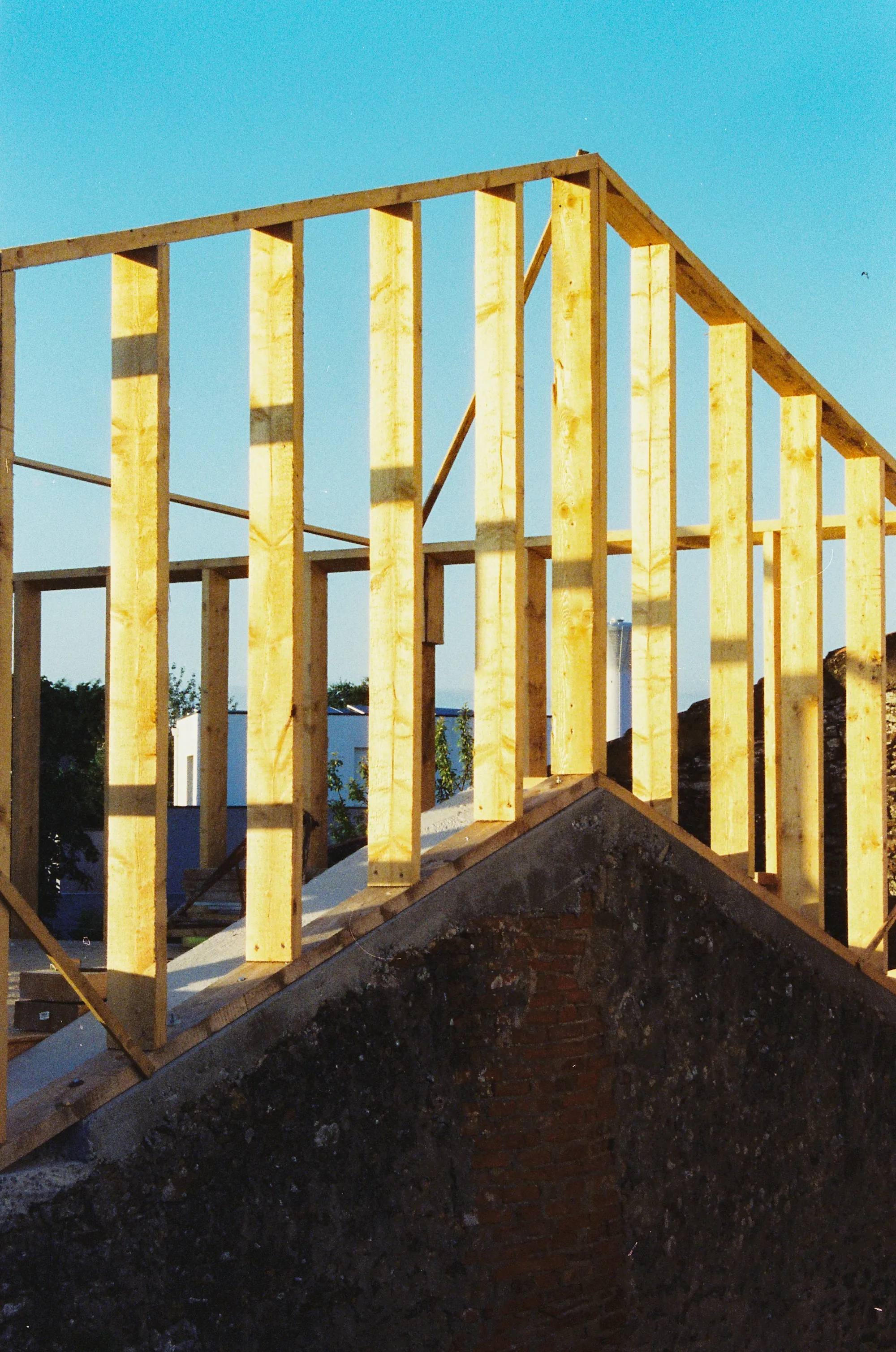
More room without moving: a guest bedroom, a primary suite or space for a bigger table, joined to your current house, with one lead keeping each stage on schedule.
An addition stacks more stages than any other project we take on: excavation and footings, a floor system, walls, the tie-in where old meets new, then everything inside. Inspections sit between several of those stages.
That's a lot to keep track of while you're also living in the house. Your lead keeps track instead, updates the written schedule and calls when a stage wraps.
Footings and a slab or crawlspace come first, then framing set so the old and new floors sit at one height, with no step at the doorway.
Where old meets new, the wall is opened, exterior finishes are matched as closely as the house allows, and the ductwork is carried into the new space.
Inside, the new rooms get insulation, drywall, trim and paint, along with whatever wiring, lighting and water lines a bath, closet or open living area needs.
Once the addition is finished and walked through with you, the work we did on it carries a one-year warranty.
Zoning setbacks and any easements decide how far out and how close to the property line the addition can go, so we confirm them before pricing.
Footings, framing and exterior walls close the addition in, so weather is no longer a factor by the time the old wall is opened.
The tie-in happens once the new space is closed up, then insulation, drywall, trim and paint finish it, followed by a walkthrough with you.
It depends on what you like about where you are. If the lot and street suit you and the house is just short on room, price the addition against the full cost of selling, buying and moving, hassle included.
Going out takes yard and a new foundation; going up takes existing walls and footings strong enough to carry another floor. Each changes cost and disruption, and the lot often settles it for you.
A baby on the way, a parent moving in, a home office that's currently the dining table: tell us what changed, and we'll talk about how an addition might fit.